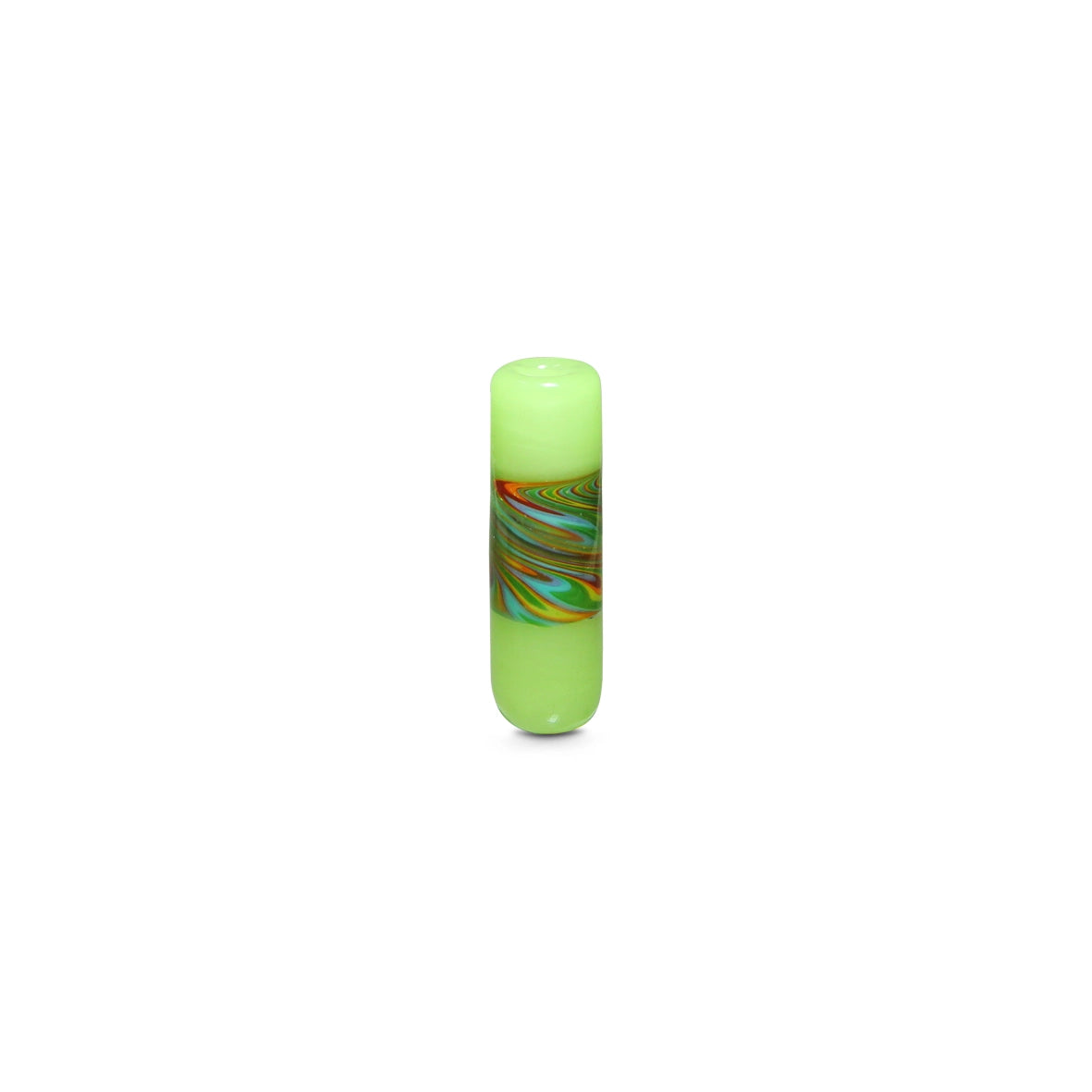




How a Glass Tip is Made: Manufacturing Process
Glass tips have become an essential accessory for those seeking a purer and more sophisticated smoking experience. They help cool the smoke, reduce impurities, and provide a cleaner taste. But have you ever wondered how they are made? The manufacturing process involves precise techniques and high-quality materials.
1. Glass Selection
The first step in producing a glass tip is selecting the material. The most commonly used is borosilicate glass, the same type used in laboratories and for high heat-resistant utensils. This type of glass withstands high temperatures without cracking and does not alter the smoke's flavor.
2. Glass Tube Shaping
After glass selection, it is heated in a high-temperature furnace until it reaches a malleable state. Then, it is shaped into a tubular form using techniques such as glass blowing and a glass lathe. The artisan works with precision to ensure uniform thickness and diameter.
3. Creation of Internal Details
Some tips have internal grooves or filters that help retain impurities. To create these details, the still-hot glass is manipulated with special pliers or molds that form small swirls or barriers within the piece.
4. Gradual Cooling (Annealing)
After shaping, the tip undergoes a gradual cooling process called annealing. This process occurs in a temperature-controlled oven to prevent the glass from becoming fragile or developing cracks due to sudden cooling.
5. Cutting and Finishing
Once the glass is solid, the ends are cut and polished to ensure a smooth and safe finish for use. Polishing can be done manually or with specialized machines, resulting in rounded, comfortable edges for the lips.
6. Customization and Artistry
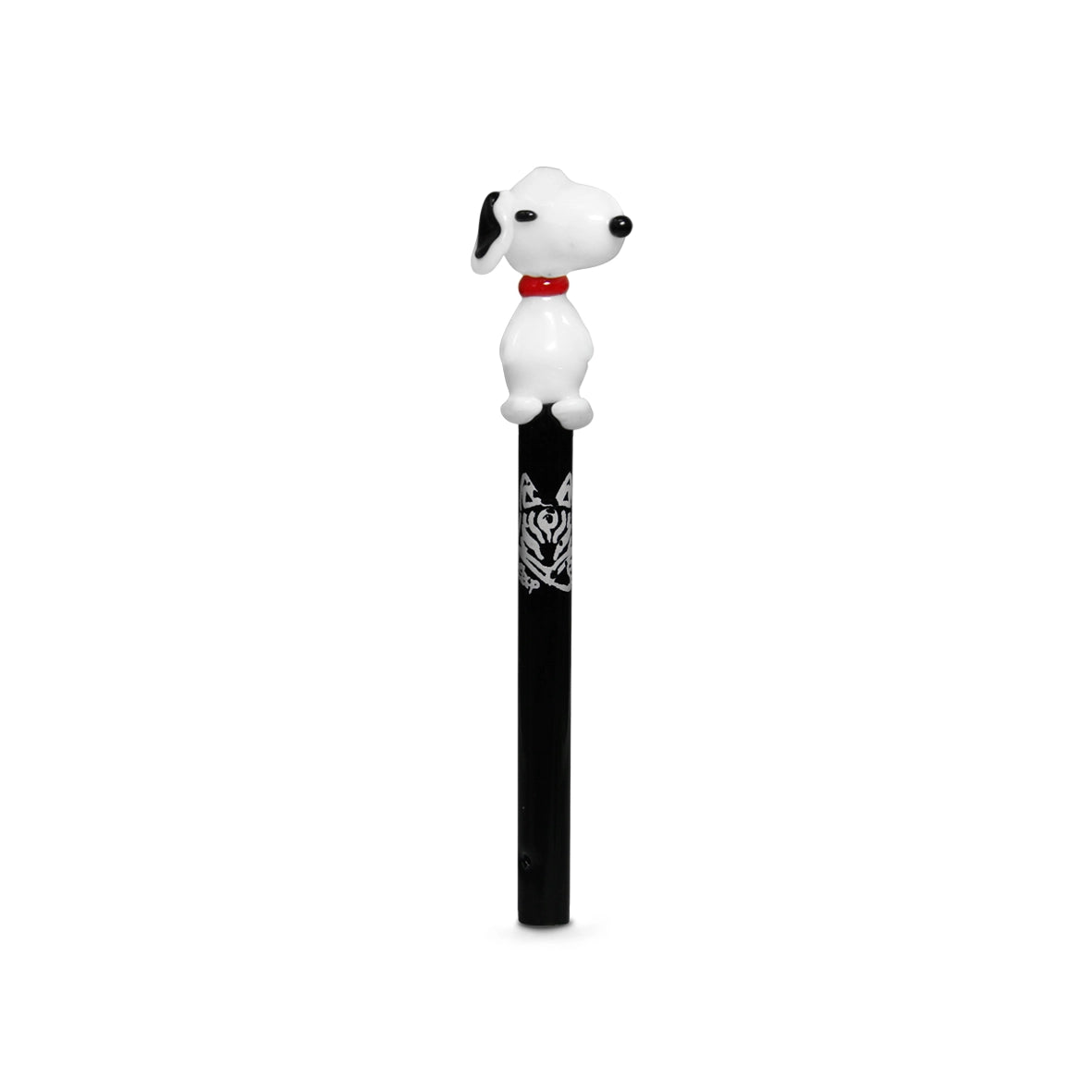
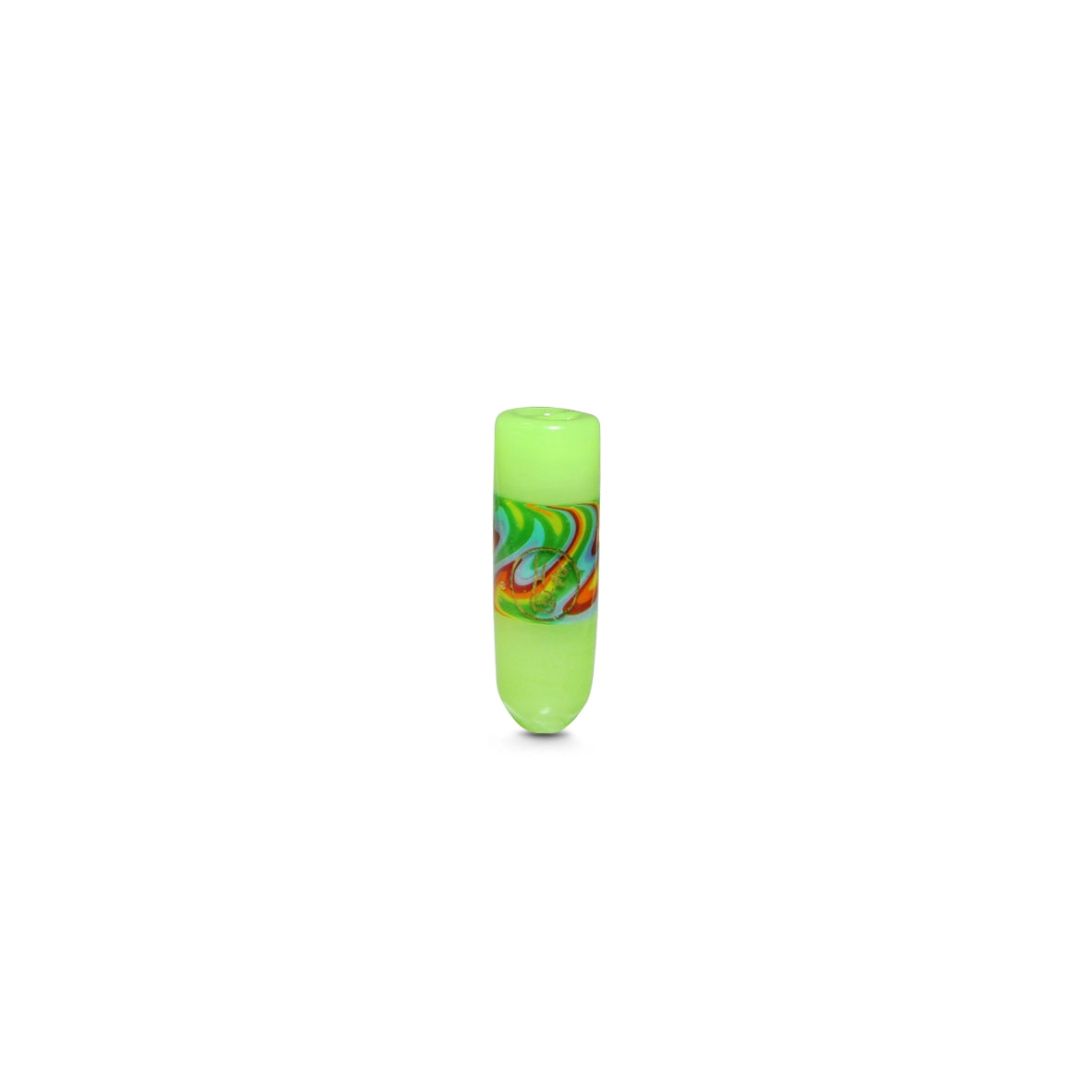
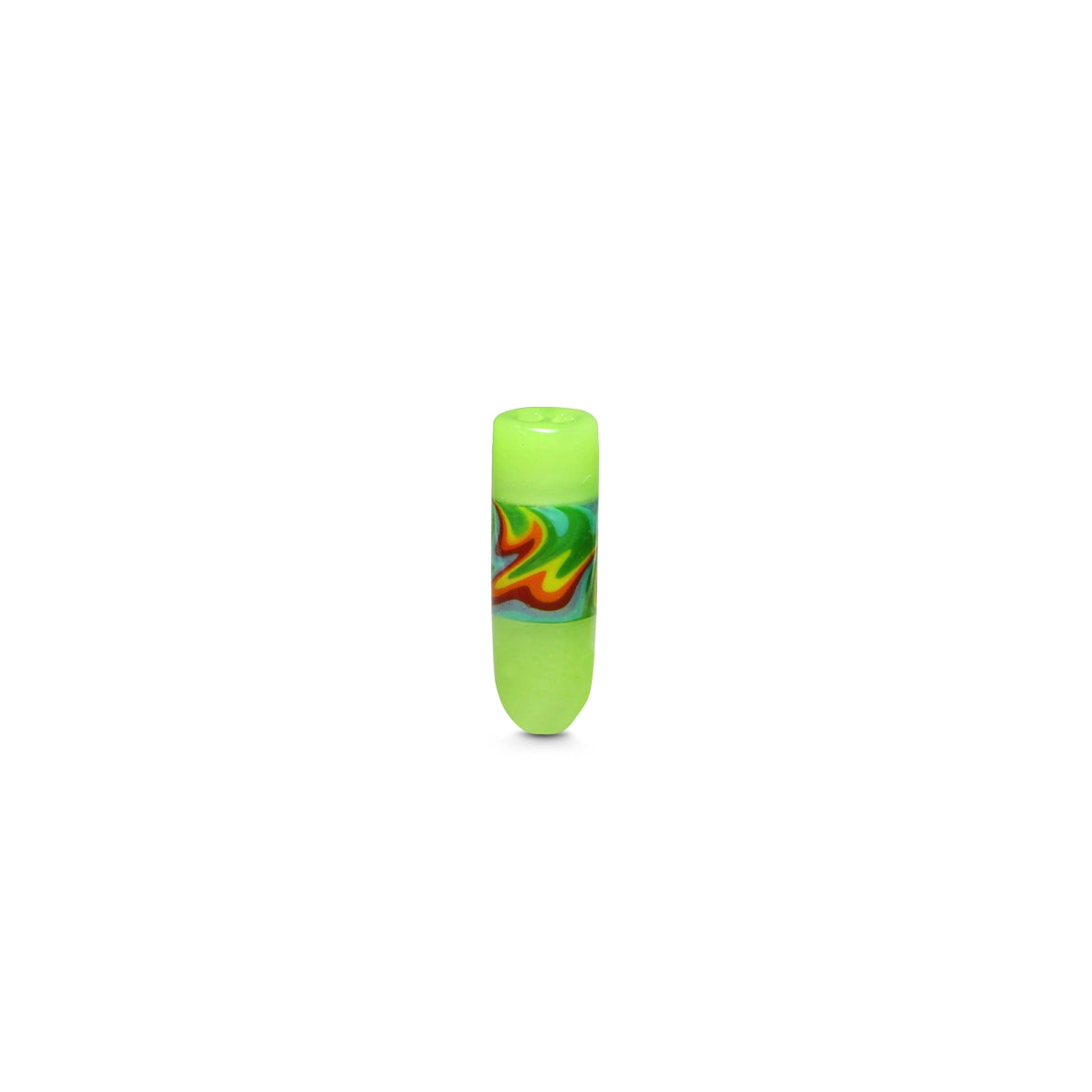
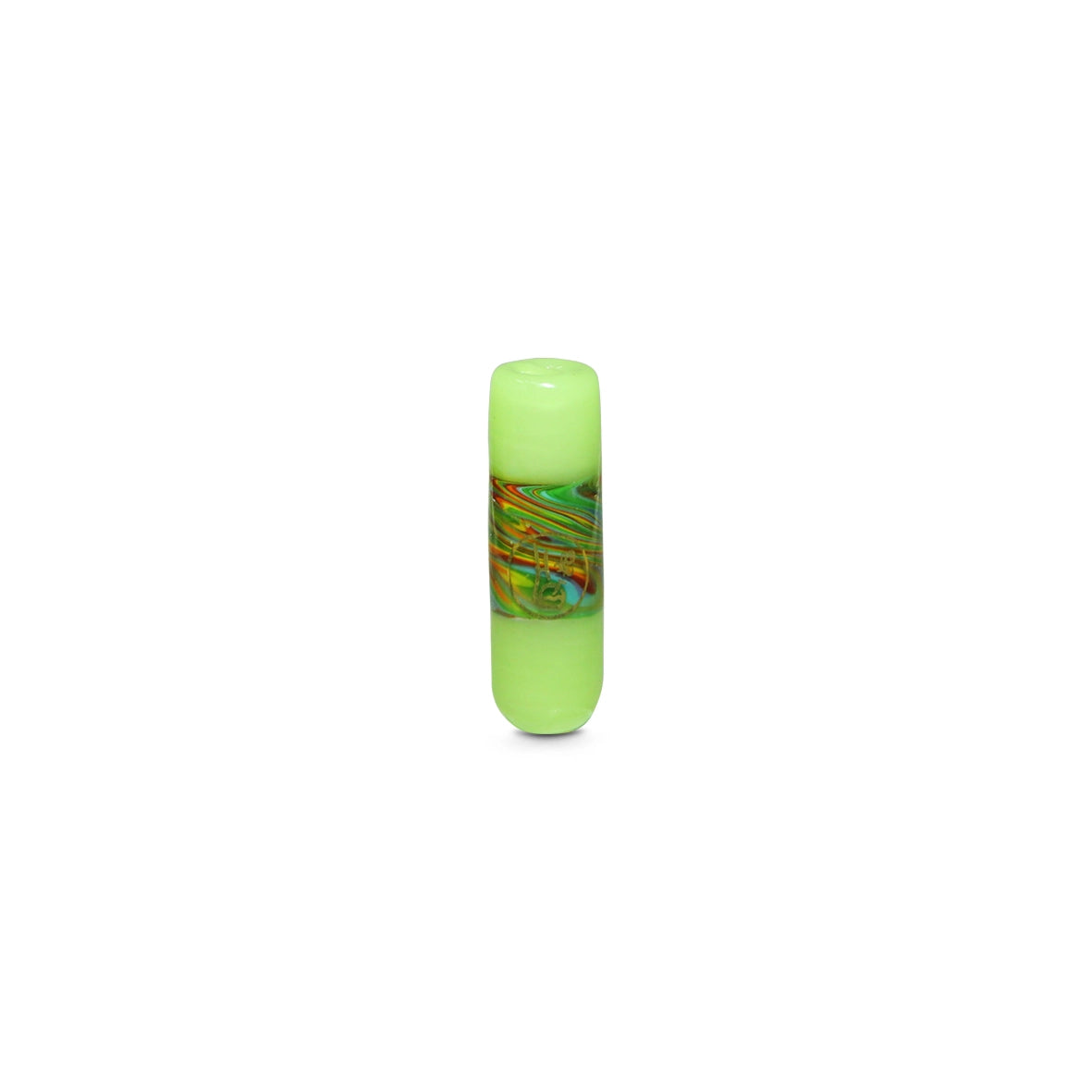
Many glass tips are customized with colors, designs, or even laser engravings. Some brands add logos, artistic patterns, or colored glass details for a unique design. This process is done with heat-resistant pigments or advanced glass fusing techniques.
7. Inspection and Packaging
Before reaching the consumer, each tip undergoes a quality inspection to check for possible cracks or imperfections. Approved pieces are sanitized, packaged, and sent for distribution.
Conclusion
The manufacture of a glass tip requires artisanal skill and high-quality materials. The result is a durable, reusable accessory essential for anyone seeking a more pleasant smoking experience.
If you want to enjoy the benefits of glass tips and enhance your session, choose models made with borosilicate glass from reliable brands.
Releases
Anel de Vidro Ambar Moon
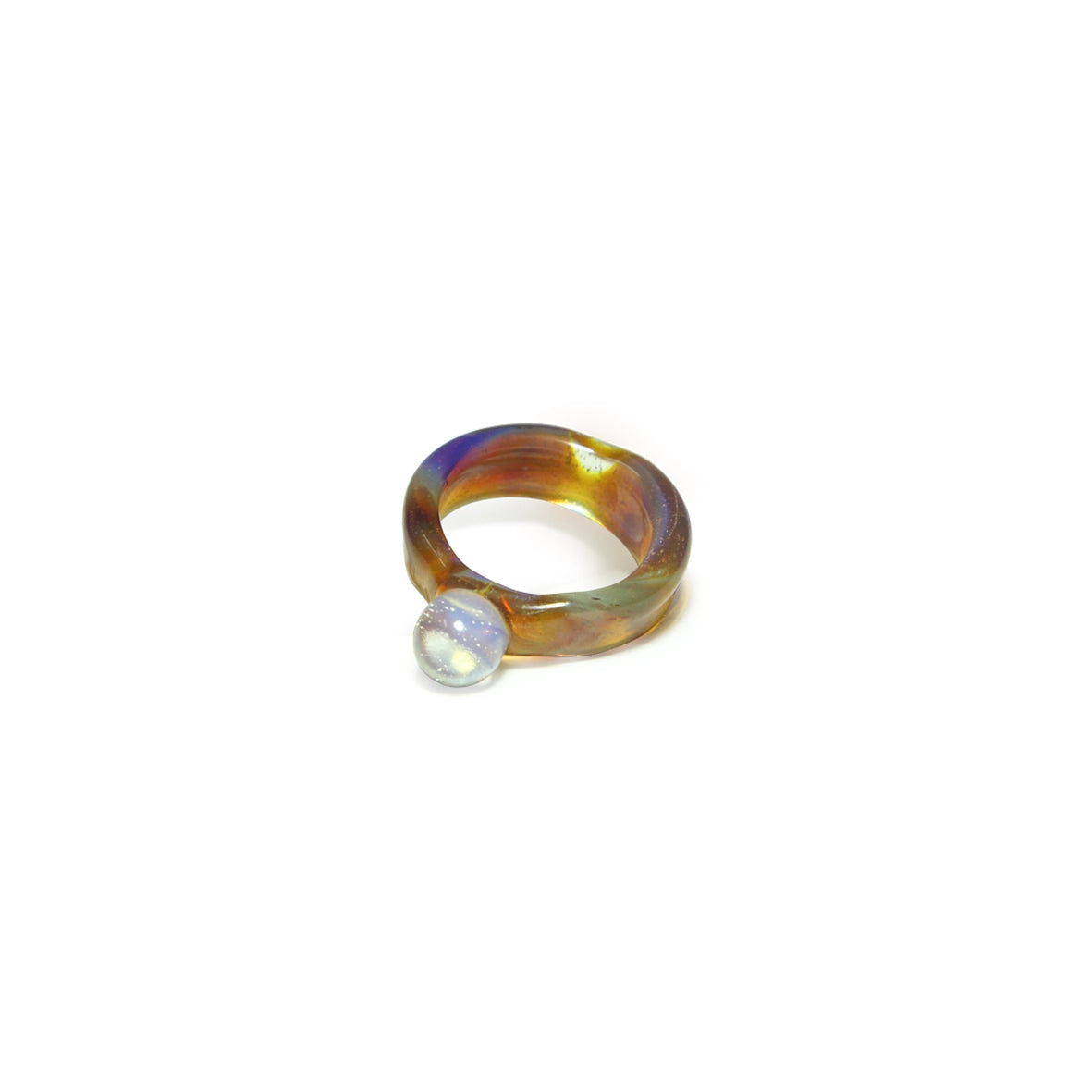
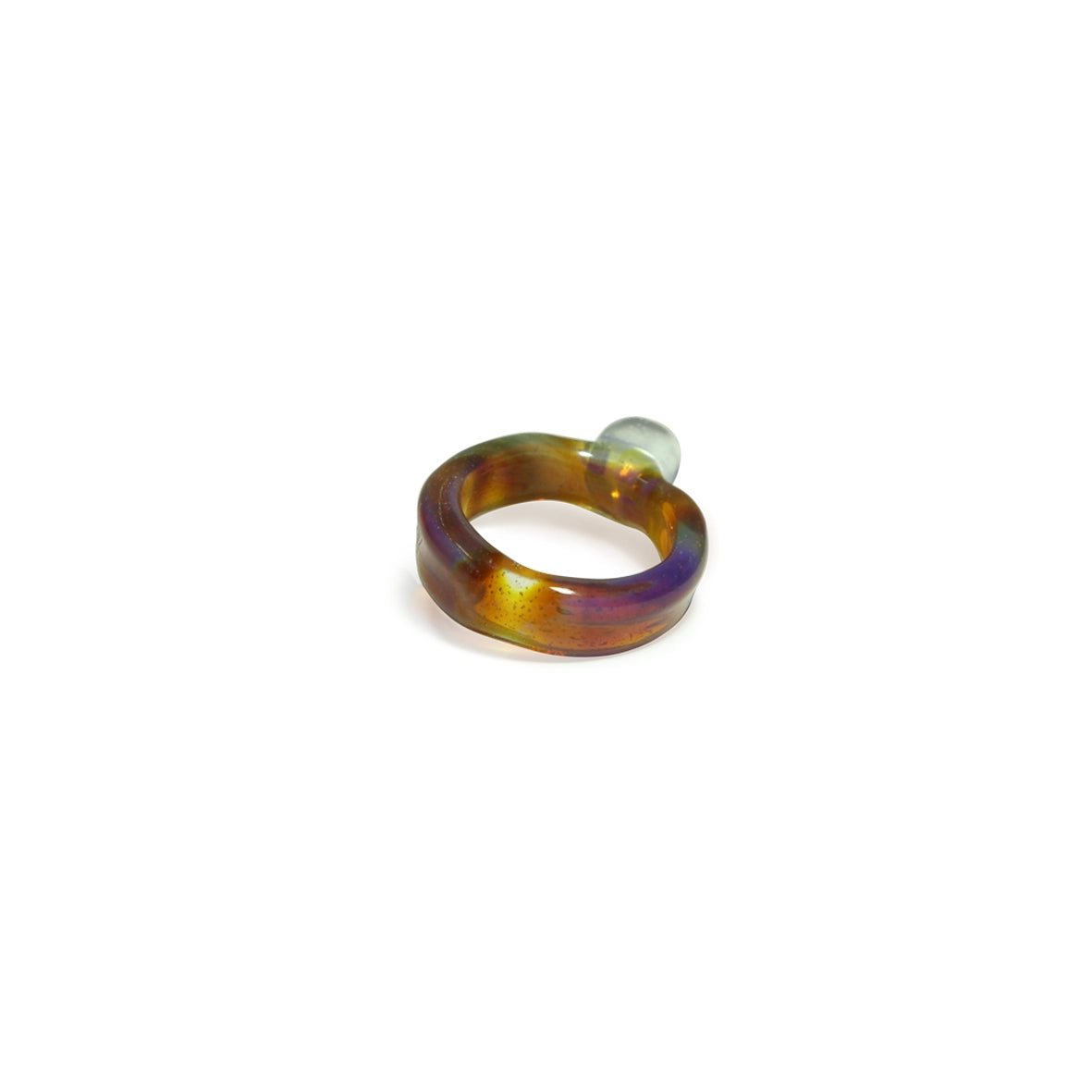
Anel de Vidro Ambar Moon
Anel de Vidro Ambar Drop
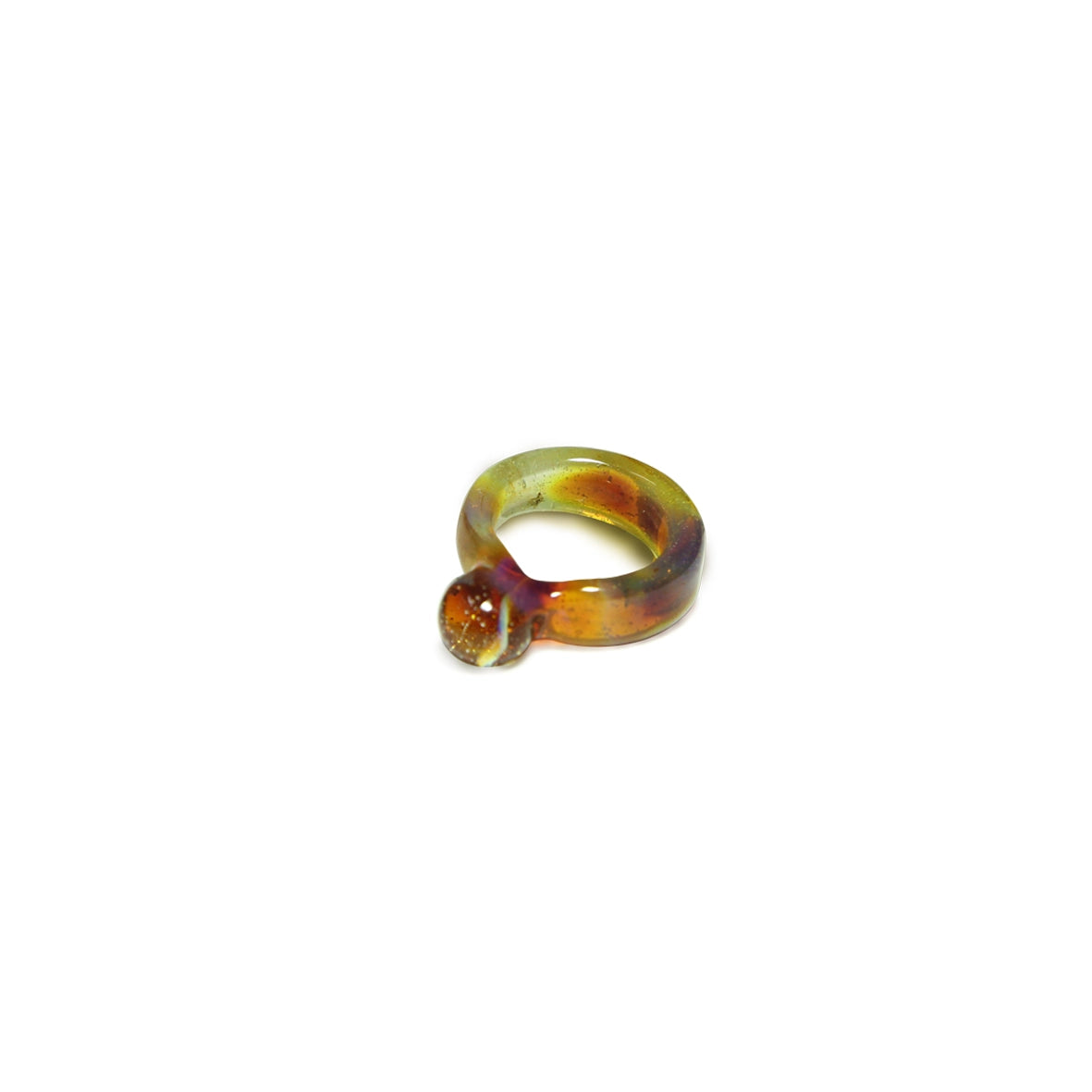
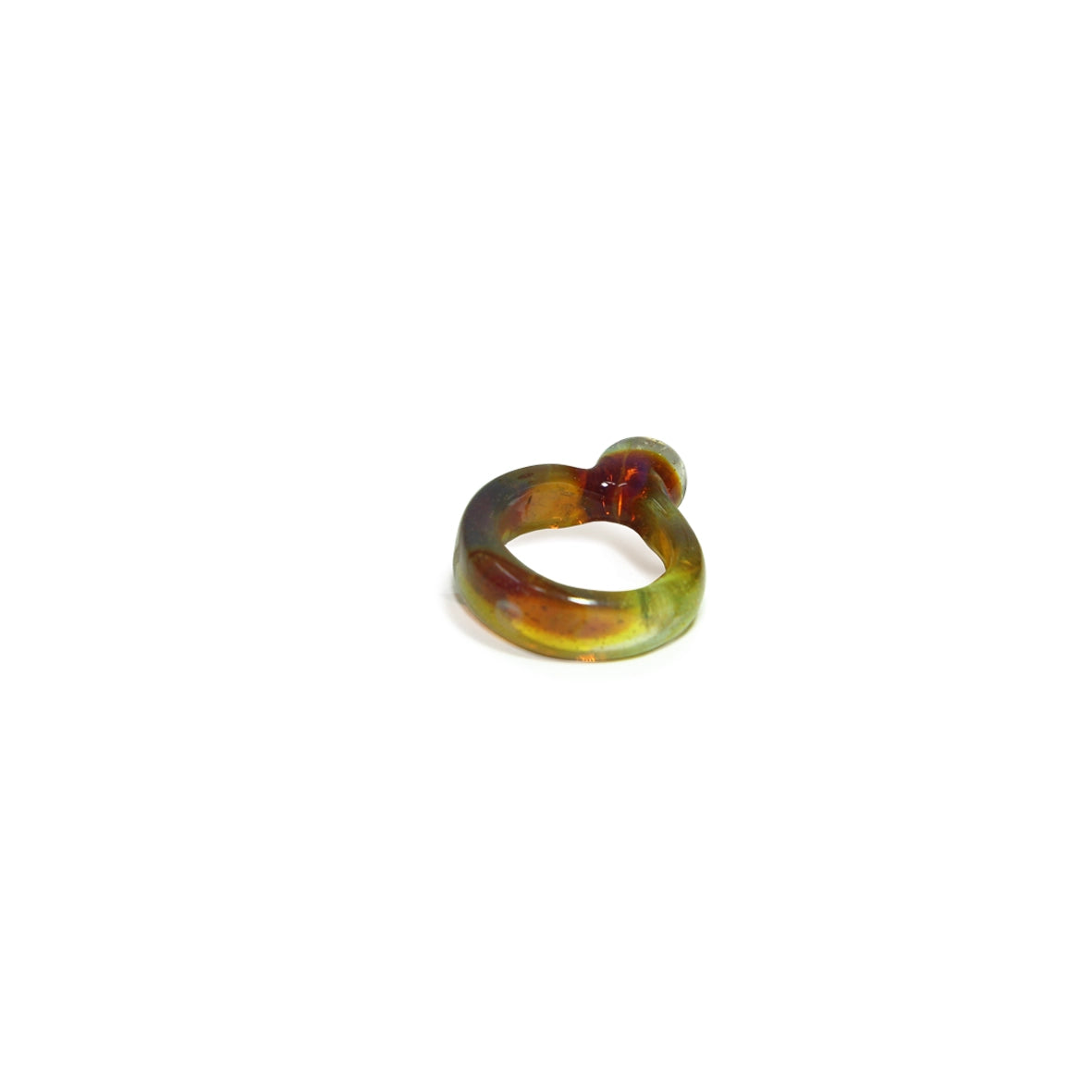
Anel de Vidro Ambar Drop
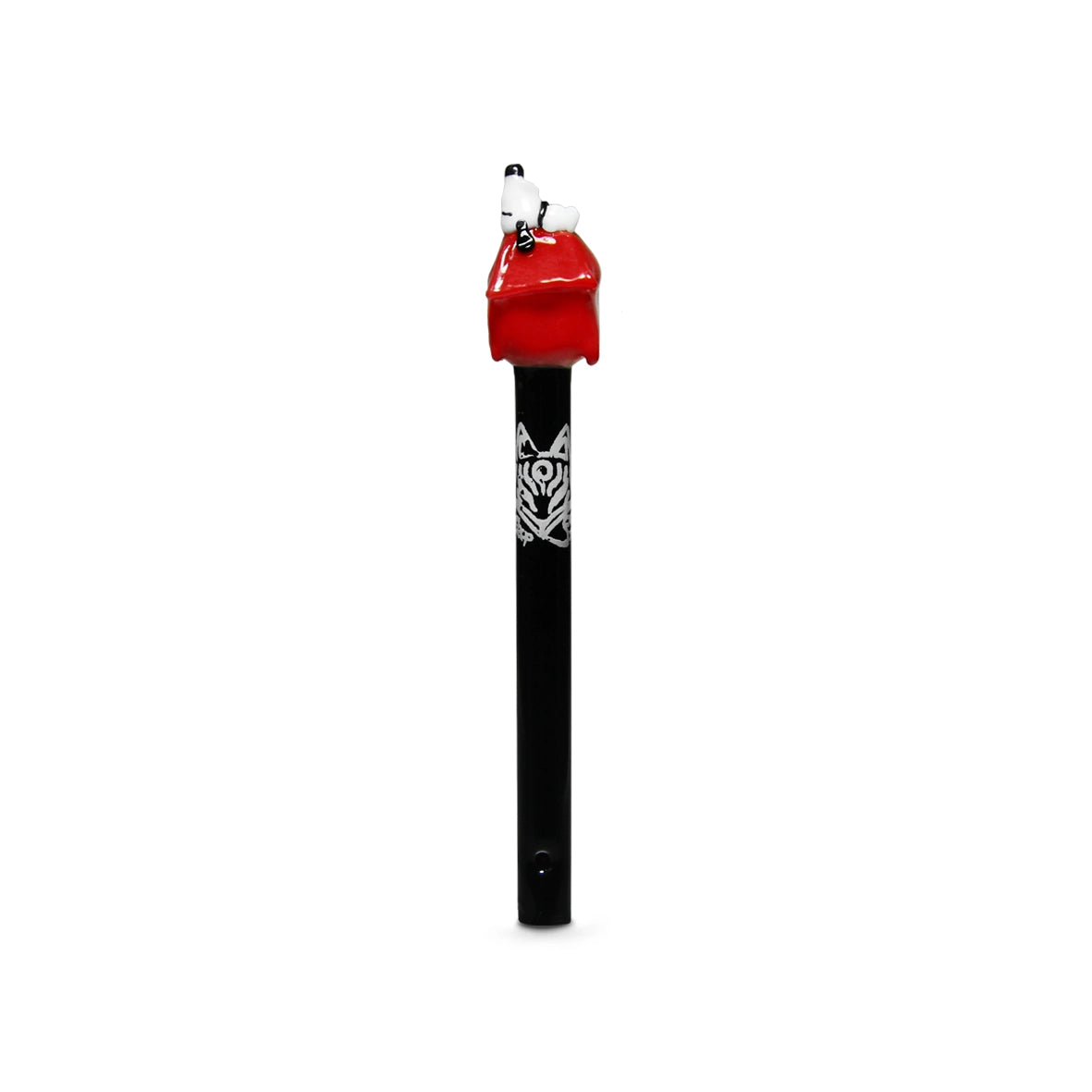
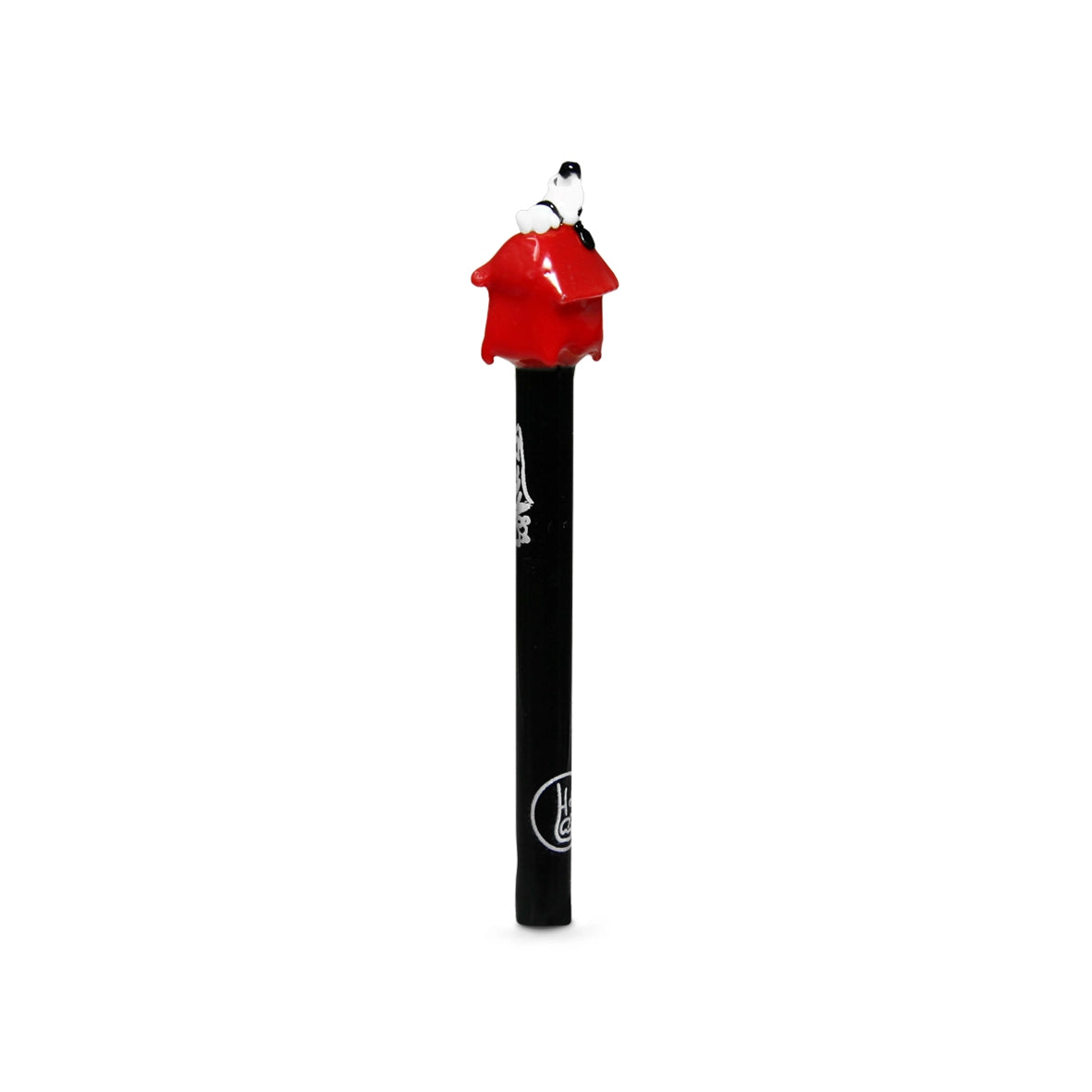
Piteira de Vidro Miniatura Snoopy